
Customer expectations in the textile industry are evolving rapidly, with buyers today looking beyond design and placing greater emphasis on quality, comfort, reliability and responsible manufacturing, says Yash Jain, Co-founder & Sales Director, D.BADAMI. According to him, these changing expectations are encouraging manufacturers to focus on consistent quality while embracing innovation and sustainable practices.
He further adds that D.BADAMI has always focused on delivering premium fabrics that combine quality, craftsmanship, and consistency. The company continues to develop fabrics that meet evolving needs while maintaining consistent standards and building long-term relationships based on trust and consistent performance.
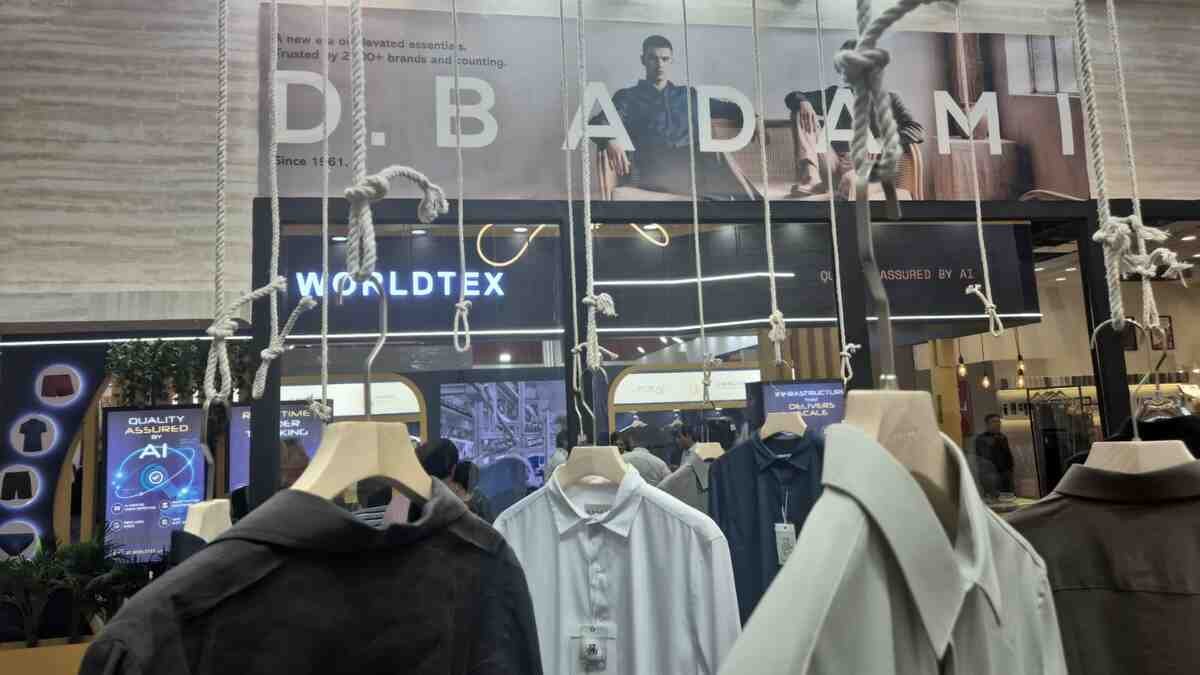
Speaking about Bharat Tex 2026, he says the exhibition provides an ideal platform to showcase the company’s latest range of premium shirting fabrics. The collection features lightweight constructions, refined textures, elegant finishes and sustainable options developed using certified materials. “Our focus is on presenting a collection that reflects changing customer preferences while maintaining the quality, comfort, durability, and style our customers expect,” he says.
He explains that every new collection begins with a clear understanding of customer preferences, market demand, and global fashion trends. At the same time, equal importance is given to fabric performance, finish, and durability, ensuring that every product combines contemporary design with the quality and consistency customers have come to expect from the brand.
He also highlights the changing trends in the premium shirting and fashion fabric segment. Consumers today are increasingly choosing breathable, lightweight, and comfortable fabrics that can be worn across different occasions. Sustainability has also become an important consideration, with buyers showing greater preference for certified and responsibly produced textiles. He adds that timeless designs, subtle textures, and premium finishes continue to be in demand across both Indian and global markets.
Sharing the company’s experience at Bharat Tex 2026, he says the response from both domestic and international visitors has been very encouraging. Buyers have appreciated the quality, variety, and finish of the fabric collections, while the company’s sustainable product range and certified manufacturing practices have generated significant interest. Premium shirting fabrics featuring lightweight constructions, contemporary textures, and refined finishes have attracted the most attention from visitors.
He believes exhibitions such as Bharat Tex continue to play an important role in strengthening relationships across the textile industry. They provide valuable opportunities for direct interaction, allowing buyers to experience fabrics firsthand, discuss their requirements, and better understand a company’s capabilities. “These conversations help build trust, encourage knowledge sharing, and strengthen long-term business relationships,” he says.
Looking ahead, he believes India’s textile industry has significant growth potential, supported by its strong manufacturing capabilities and increasing global demand for quality products. He concludes that technology, sustainability, and innovation will continue to shape the industry’s future, while brands that focus on responsible manufacturing and value-added products will play an important role in strengthening India’s position in global textile markets.