

Esports is no longer a niche subculture—it is a global industry redefining competition, entertainment, media, and youth engagement. With packed arenas, multi-million-dollar prize pools, franchise leagues, brand sponsorships, and dedicated fan bases, competitive gaming has evolved into a structured, high-growth ecosystem. According to global industry reports, esports revenues are driven by sponsorships, media rights, publisher fees, merchandising, and live events—creating a vast landscape of professional opportunities beyond just playing the game.
Recognizing this shift, the Institute of Sports Science & Technology (ISST) has introduced India’s first dedicated Sports Management Degree programs with specialization in Esports —designed to prepare students not just for jobs, but for leadership roles in the evolving gaming and sports ecosystem.
Why Esports Needs Professional Management
Esports tournaments today resemble large-scale sporting events. They require athlete management, sponsorship acquisition, broadcasting partnerships, data analytics, event production, fan engagement strategies, and regulatory governance. Teams operate like professional franchises. Brands invest heavily in youth-centric marketing through gaming platforms. Media companies bid for streaming rights. Publishers design competitive ecosystems with structured leagues.
This complexity demands professionals who understand both the culture of gaming and the science of sports management.
The program at ISST bridges this gap by combining core sports management subjects—such as marketing, finance, governance, event operations, sponsorship, and athlete management—with specialized learning in esports ecosystems, streaming economics, and tournament structures.
Learning Beyond the Classroom
One of the most significant advantages of pursuing esports management within a sports-focused institution is cross-industry exposure.
Students studying esports are not limited to gaming alone. They gain hands-on experience in traditional sports events, leagues, sponsorship activations, and sports marketing projects. This dual exposure creates adaptable professionals who understand both digital and physical sporting ecosystems.
In today’s sports economy, boundaries are blurring. Traditional leagues are investing in gaming properties. Sports franchises are building esports verticals. Brands expect integrated campaigns that span stadiums and streaming platforms. A professional trained across both domains holds a clear competitive advantage.
Governance, Structure and National Affiliation
The program is strengthened by its ecosystem partnerships. The Maharashtra Esports Association (MESA) plays a crucial role in providing structured exposure to students through live projects, competitive events, and administrative learning experiences. Internships under MESA offer students direct involvement in esports event planning, operations, athlete coordination, and stakeholder management.
Additionally, MESA’s affiliation with the Esports Federation of India (ESFI) ensures alignment with national-level standards, governance frameworks, and competitive pathways. ESFI has been instrumental in representing Indian esports athletes at international platforms and promoting structured esports development in the country.
This layered exposure—from grassroots tournaments to national-level frameworks—helps students understand esports not just as entertainment, but as an organized sporting discipline with policy, governance, and athlete development structures.
Career Scope in Esports and Beyond
Graduates of Sports Management Degree programs with specialization in Esports can explore diverse career pathways, including:
• Esports team and league management
• Tournament operations and event production
• Sponsorship and brand partnerships
• Esports marketing and content strategy
• Athlete representation and talent management
• Broadcast and streaming operations
• Sports analytics and performance management
• Sports entrepreneurship and startup ecosystems
Moreover, the digital-native skillset developed in esports—community building, platform monetization, influencer ecosystems, and real-time audience engagement—translates seamlessly into broader sports, media, and entertainment industries.
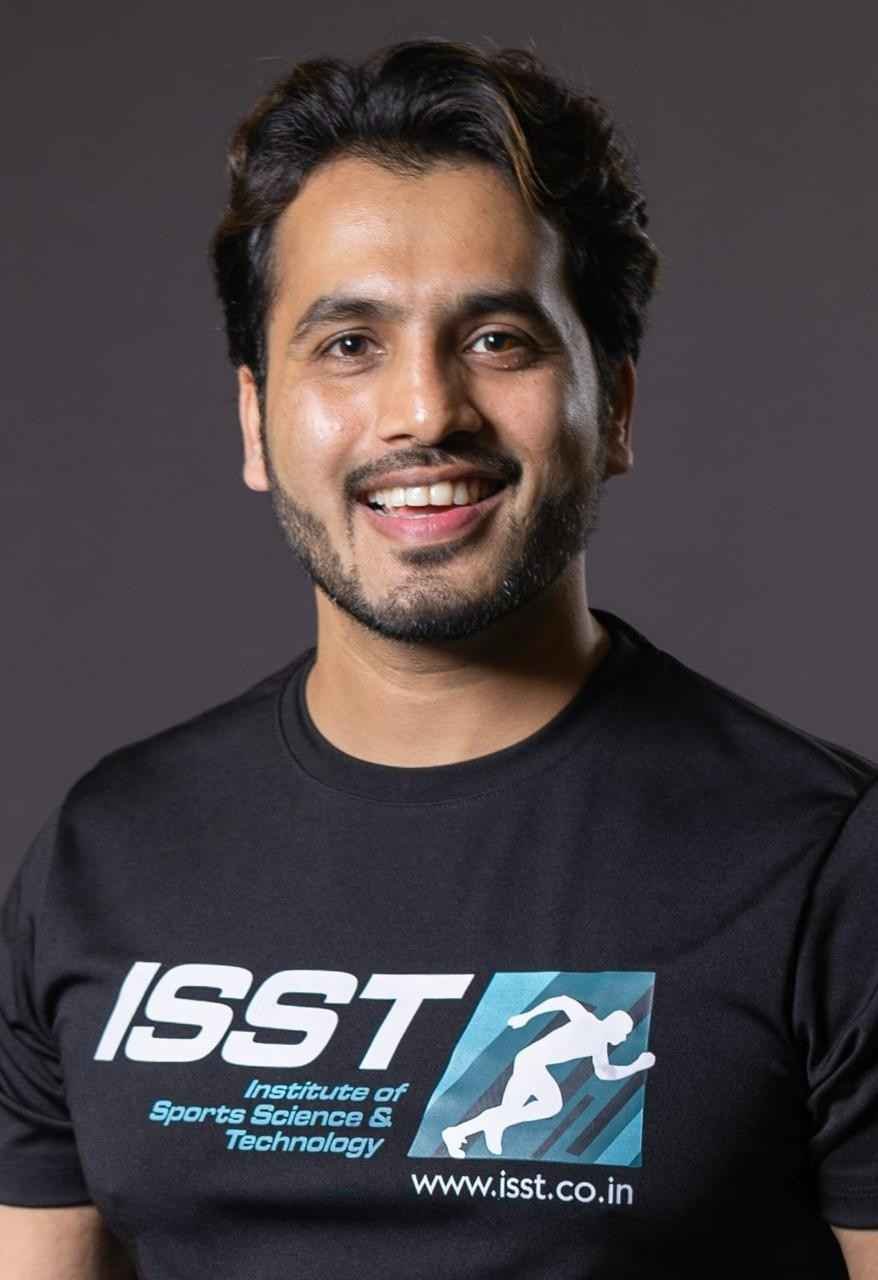
Reflecting on this, Dr. Vipul Lunawat, Founder Director of ISST and President of MESA, states, “Esports represents the future intersection of sport, technology, and youth culture. Our goal is not merely to create graduates, but to develop industry-ready leaders who understand governance, business strategy, athlete development, and digital ecosystems. By integrating structured education with real-time industry exposure through MESA, we are building a professional foundation for esports in India.”
The Future is Hybrid
The future of sports is hybrid—where physical competition, digital engagement, and immersive technology converge. Esports sits at the center of this transformation. Institutions that recognize this evolution and design structured academic pathways are not just responding to a trend—they are shaping an industry.
By integrating academic rigor, industry exposure, internships under MESA, and alignment with ESFI’s national framework, ISST’s Sports Management Degree programs with specialization in Esports aim to create the next generation of sports business leaders—professionals equipped to manage arenas, screens, brands, and athletes in a rapidly expanding global ecosystem.
Esports is not just about playing the game. It is about managing the future of sport itself.